

Best Composite Decking Australia: A composite decking guide for builders and trade professionals
With so many composite decking products available, choosing the right board for a client’s job involves more than comparing colour and price. Builders also need to consider the application, subframe, installation method, compliance requirements, availability, warranty conditions and total installed cost.
From affordable composite timber decking to premium PVC and realistic timber-look boards, there’s a wide range of products to choose from for your clients. But how do Trex, ModWood, NewTechWood, TimberTech by James Hardie, Millboard, Everdeck and Eva-Last Pioneer compare?
This guide provides a practical starting point for builders and trades to compare the options and narrow down the right product for your next decking job.
Planning a deck for your home? Use this guide to discuss the options with your builder. They can confirm the right product, installation requirements and complete project price.
Which composite decking is best?
There’s no single composite decking brand that’s best for everyone. The right choice depends on what matters most to you or your client. For tailored advice, contact Dahlsens and our team can help.
Here’s where we’d start:
| Your priority | Composite decking worth considering |
|---|---|
| Best budget-friendly options | Everdeck, NewTechWood Soho, ModWood Natural Grain and Trex Select provide great value for money |
| Best for full sun | Look for PVC or mineral-resin options such as TimberTech by James Hardie, or Trex Transcend Lineage and Select Composite Decking collection – they use SunComfortable™ Technology – for cooler composite decking options that don’t get as hot underfoot. Lighter-coloured boards are also better for full sun areas as they don’t absorb as much heat. Millboard is mineral-resin based composite with a lightweight core making them cooler in the sun. |
| Best for long-term durability | Trex Transcend, Trex Transcend Lineage, TimberTech by James Hardie and Eva-Last Pioneer have the longest warranties. |
| Most realistic timber appearance | Eva-Last Pioneer has a photorealistic appearance, making it appear just like real hardwood timber. Millboard decking is moulded from impressions of timber recreating natural timber textures and appearance. NewTechWood, TimberTech by James Hardie, Everdeck, ModWood and Trex all feature moulded or brushed finishes in a range of realistic timber colours. |
| Australian-made decking | ModWood and Everdeck are both manufactured in Australia from recycled plastics |
| Bushfire-prone areas | ModWood Flame Shield, NewTechwood, Trex, Millboard and Timbertech by James Hardie all have BAL rated options available |
| Slip resistance | ModWood Xtreme Guard, Marina and Natural Grain, NewTechWood Coastal, Terrace and Marina ranges and Millboard Enhanced Grain and Weathered Oak all have good slip ratings |
| Stocked at Dahlsens | Everdeck by Timberlink is stocked at most Dahlsens trade stores for your convenience. All brands and ranges mentioned in this article are able to be ordered in – if not in stock – for your project. |
These are suggested starting points, not definitive rankings. The best choice will depend on the exact product, colour, installation conditions and budget.
Composite decking comparison: Brands, prices and performance
Different composite decking boards can look similar but have very different materials, finishes, warranties and performance characteristics.
Our comparison table covers 27 decking ranges from seven leading brands, including Trex, ModWood, NewTechWood, TimberTech by James Hardie, Millboard, Everdeck and Eva-Last Pioneer.
Use it to compare price categories, appearance, Australian-made status, bushfire suitability, slip resistance, warranties and materials.
| Brand / Range | Price* | Australian Made | BAL Rating | Slip Rating | Residential Warranty | Materials / Composition | Capped | CodeMark |
|---|---|---|---|---|---|---|---|---|
Everdeck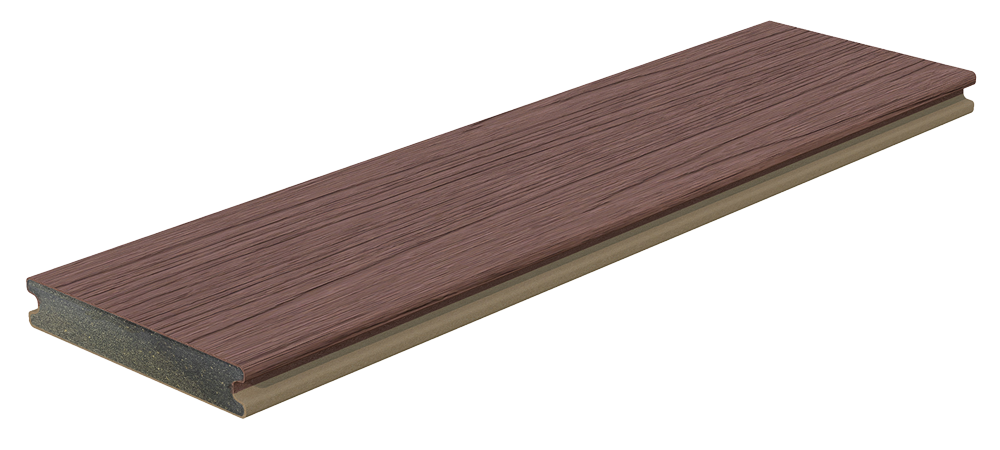 |
$ | Yes – Tasmania | N/A | P3/P4 | Up to 20 years | Wood fibre and recycled plastic composite | Yes | No |
ModWood – Natural Grain |
$ | Yes – Melbourne | N/A | R11 (137 mm profile) | 7-10 years | Recycled wood fibre and plastic composite | No | Yes |
ModWood – Xtreme Guard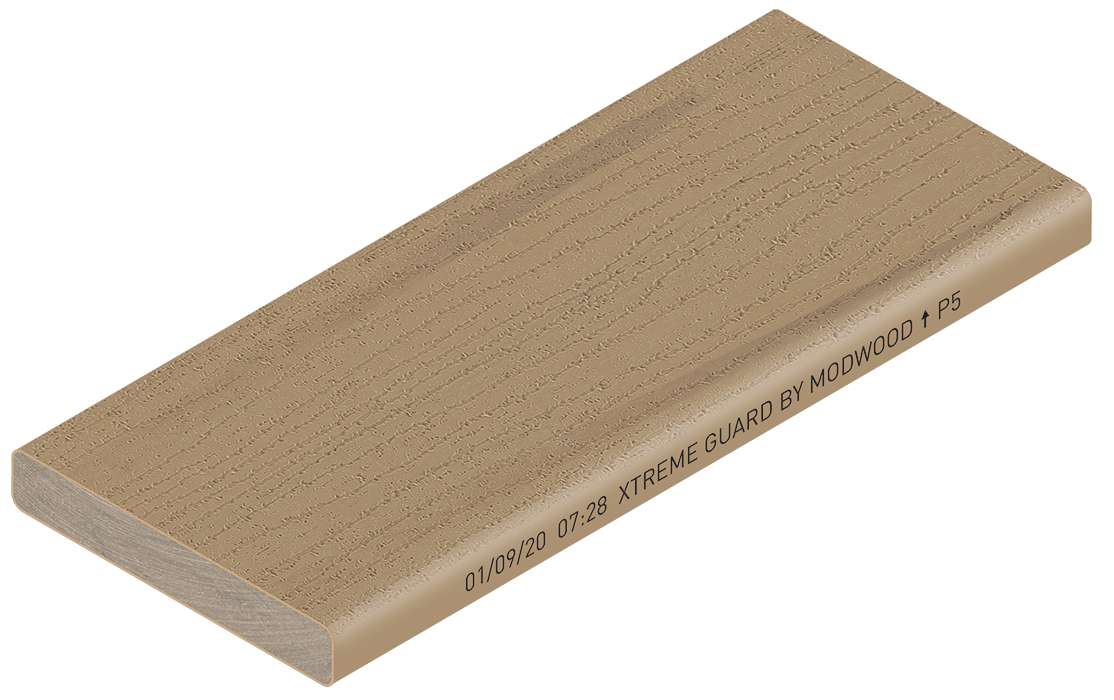 |
$$ | Yes – Melbourne | N/A | P5 | 25 years | Wood-plastic composite with protective polymer capping | Yes | Yes |
ModWood – Flame Shield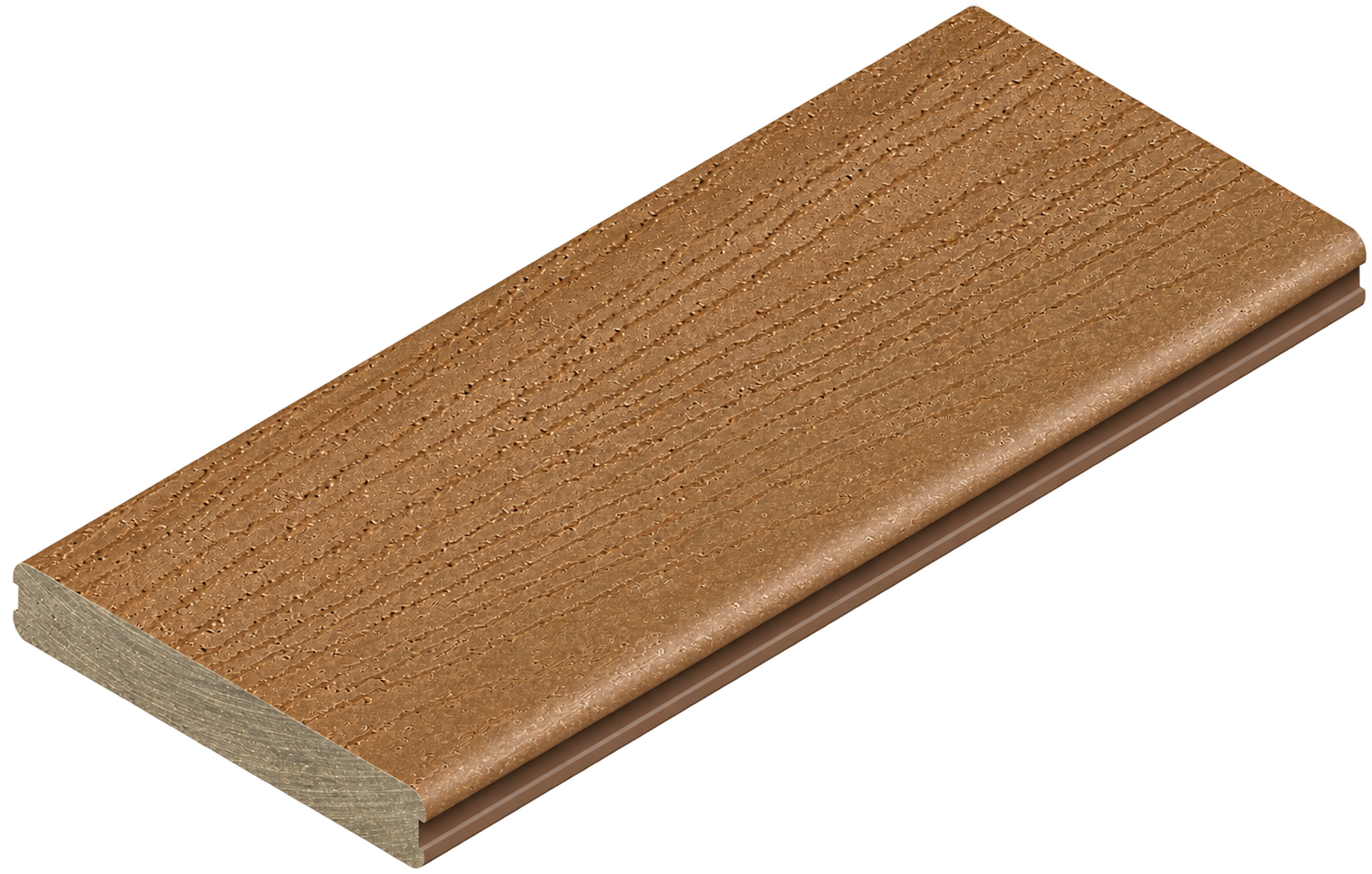 |
$$ | Yes – Melbourne | BAL-40 | R11 | 10 | Wood-plastic composite with fire-retardant additives | No | Yes |
ModWood – Marina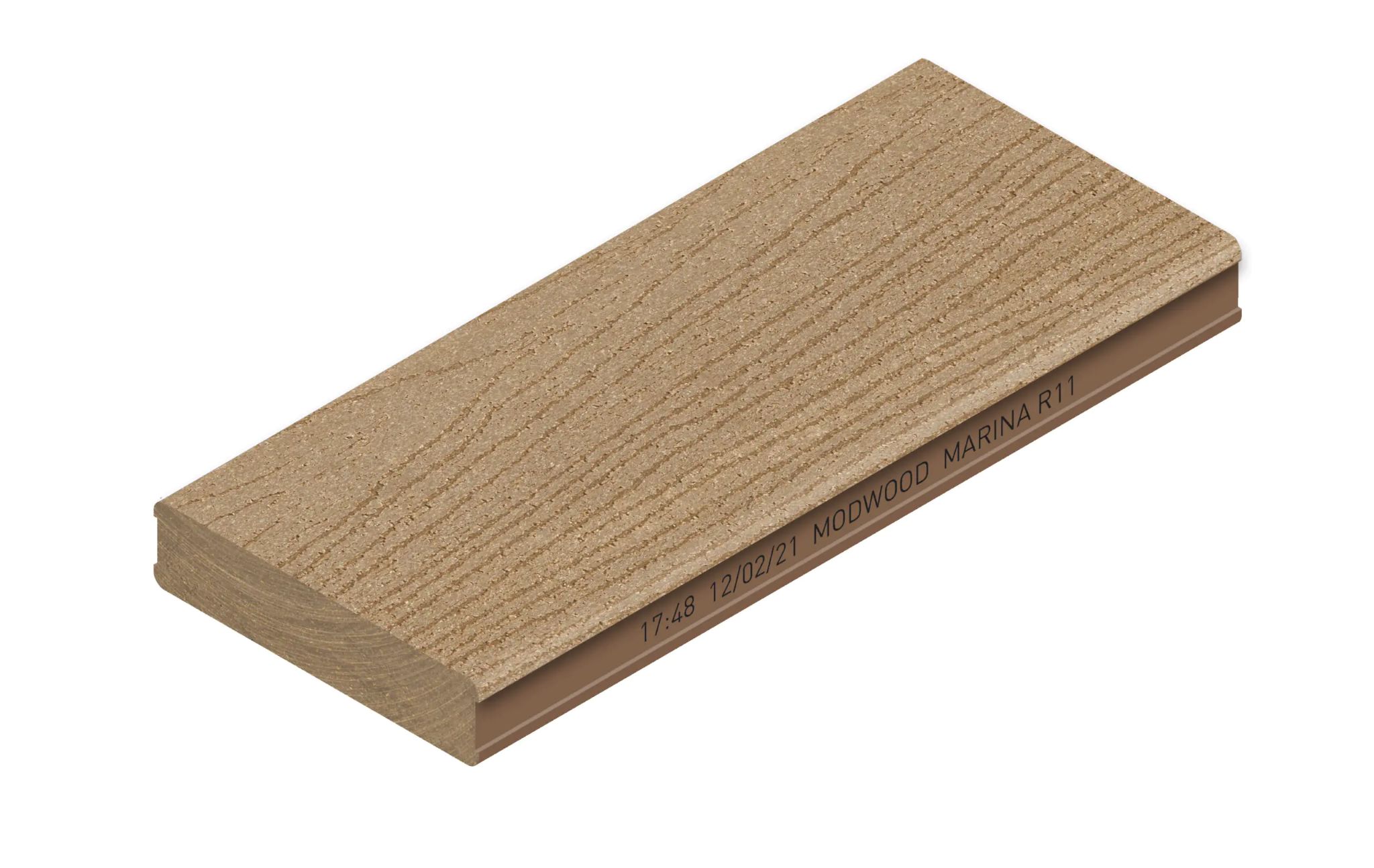 |
$$-$$$ | Yes – Melbourne | BAL-29 | P5 | Up to 25 years | Wood-plastic composite; marine-use formulation | No | Yes |
NewTechWood – Avenue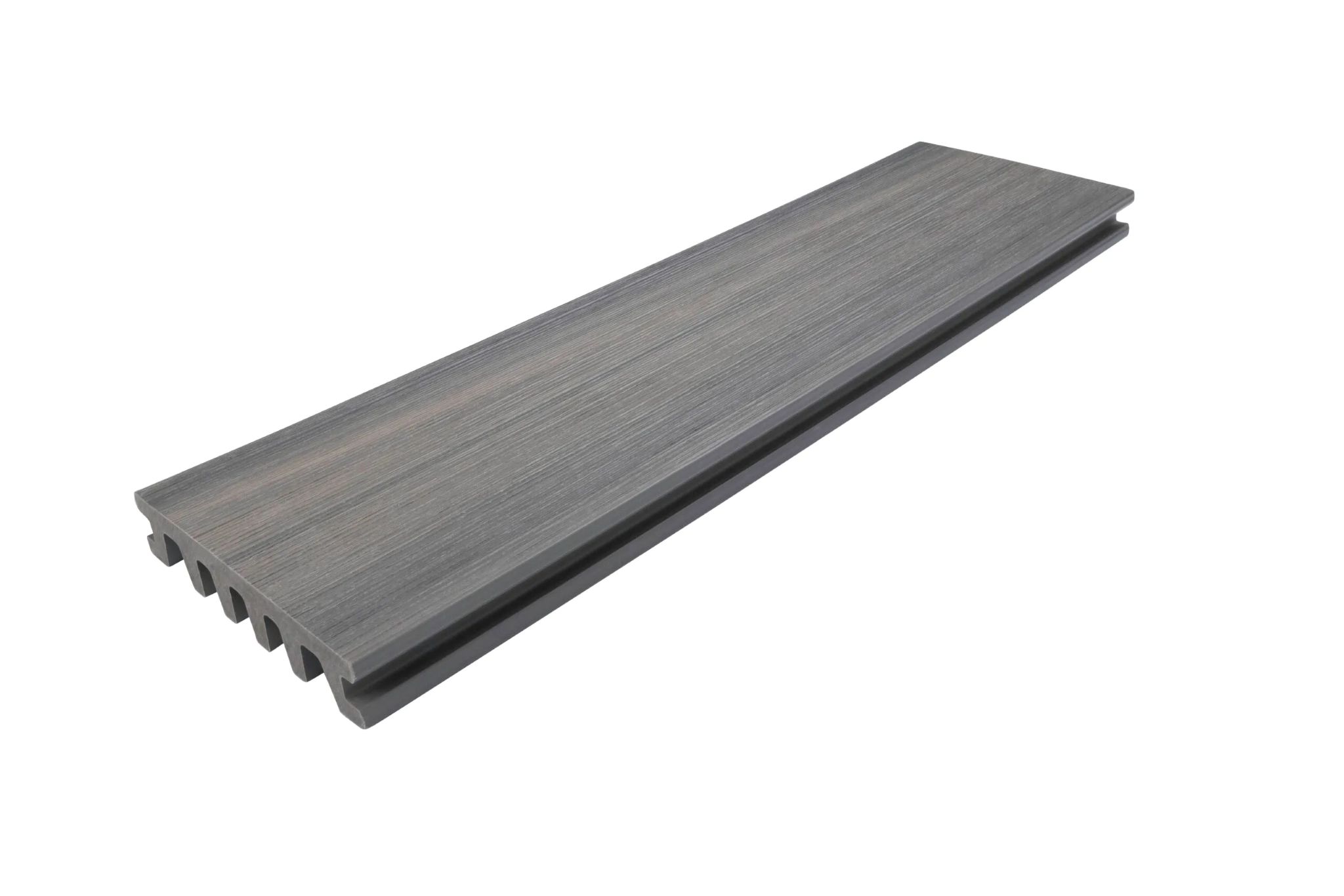 |
$$ | No | BAL-29 | P2 | Up to 25 years | Wood fibre and recycled HDPE plastic with polymer cap | Yes | No |
NewTechWood – Soho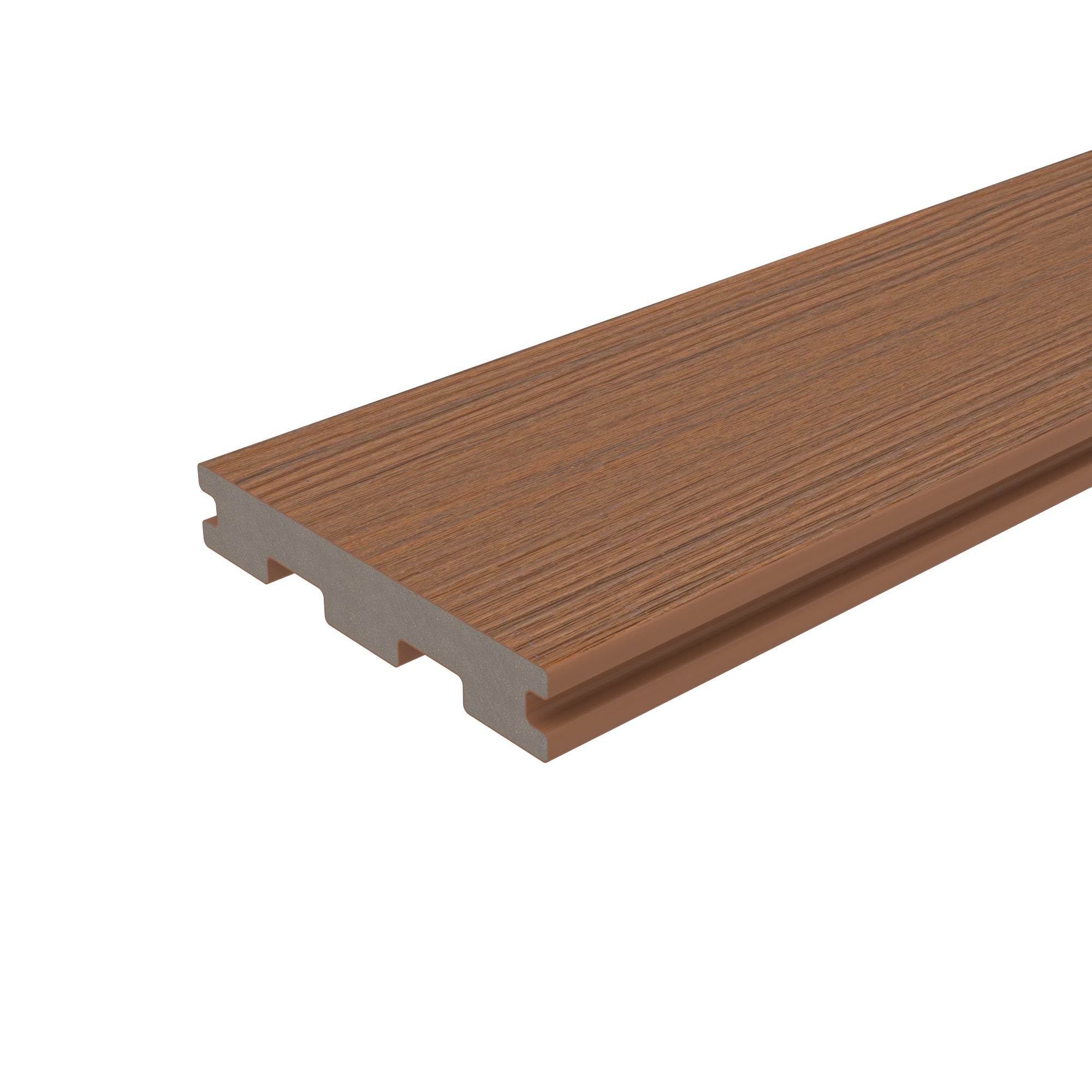 |
$ | No | BAL-29 | P3 | 15 years | Wood fibre and recycled HDPE plastic with polymer cap | Yes | No |
NewTechWood – Coastal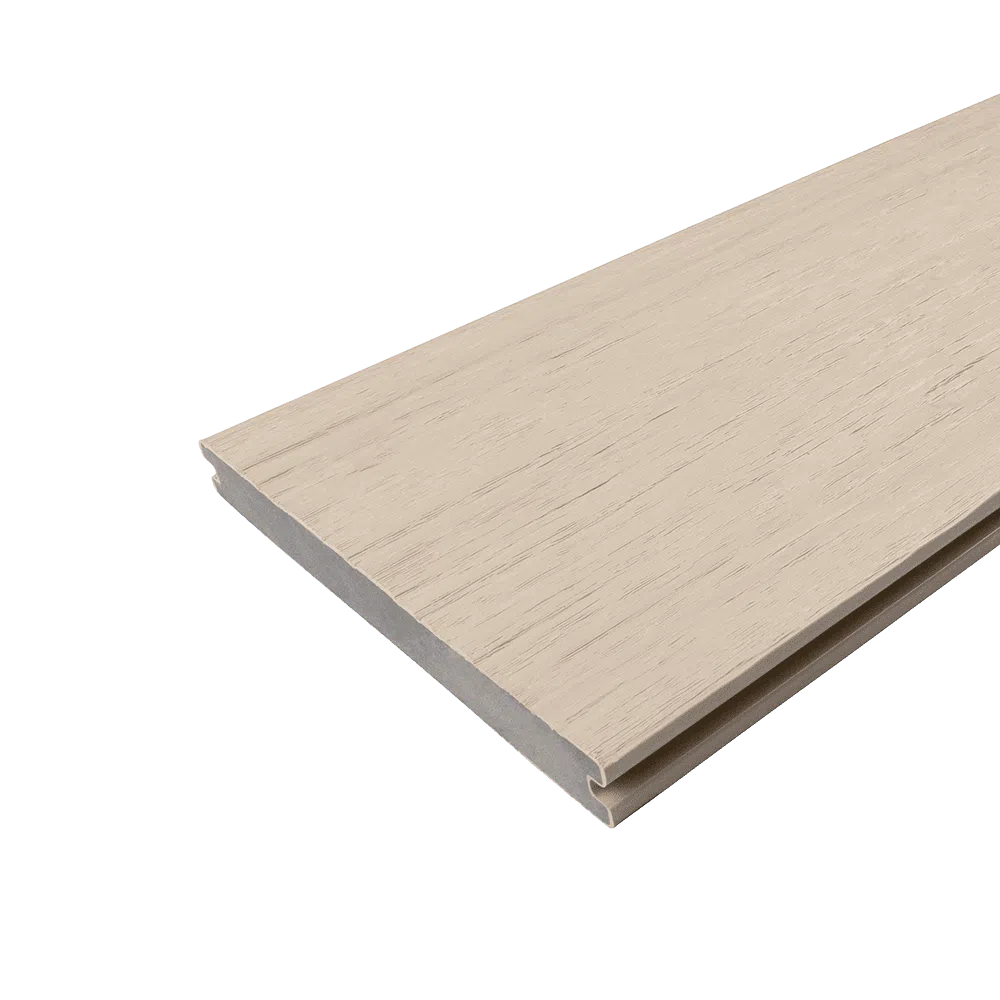 |
$$ | No | BAL-29 | P2/P5 | Up to 25 years | Wood fibre and recycled HDPE plastic with polymer cap | Yes | No |
NewTechWood – Terrace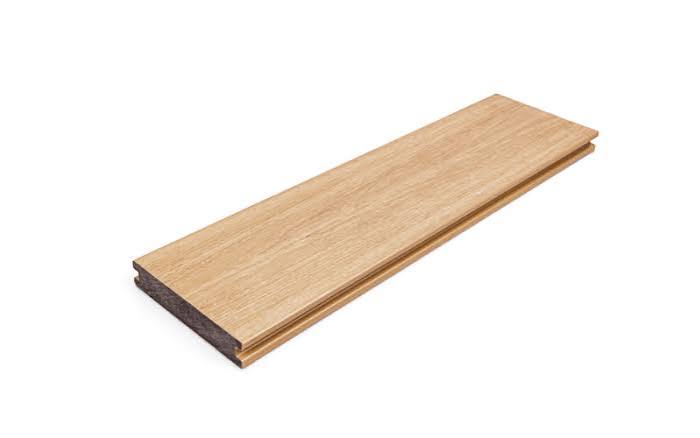 |
$$ | No | BAL-29 | P2/P5 | Up to 25 years | Wood fibre and recycled HDPE plastic with polymer cap | Yes | No |
NewTechWood – Marina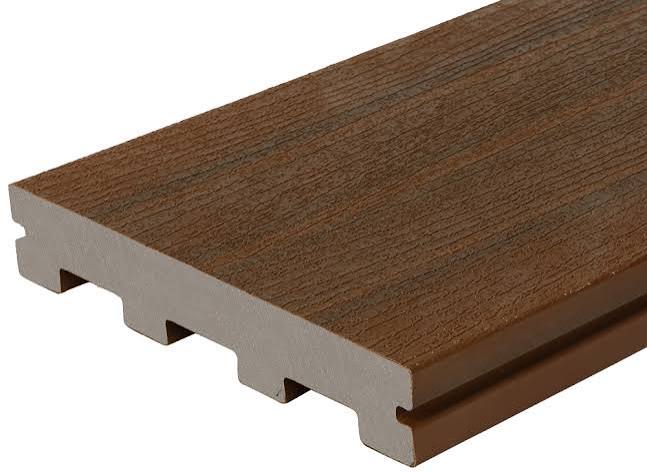 |
$$$$ | No | BAL-29 | P5 | Up to 25 years | Wood fibre and recycled HDPE plastic with polymer cap | Yes | No |
Trex – Select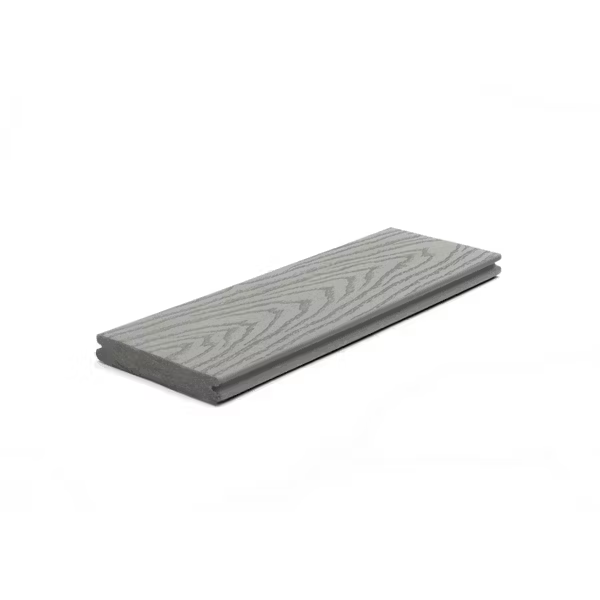 |
$$ | No – USA | N/A | P4 | 35 years | Reclaimed wood fibre and recycled polyethylene with protective shell | Partially | Yes |
Trex – Transcend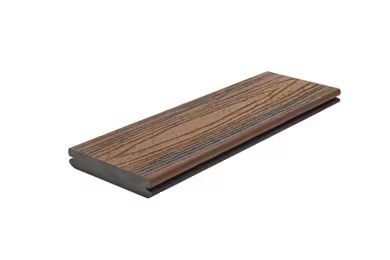 |
$$$ | No – USA | BAL-29 | P2 | 50 years | Reclaimed wood fibre and recycled polyethylene with protective shell | Partially | Yes |
Trex – Transcend Lineage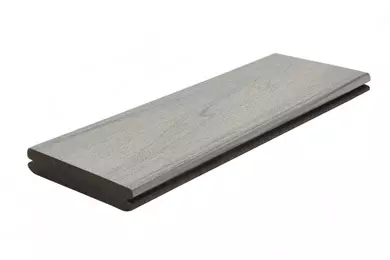 |
$$$–$$$$ | No – USA | BAL-19 | P5 | 50 years | Reclaimed wood fibre and recycled polyethylene with protective shell | Partially | Yes |
Eva-Last – Pioneer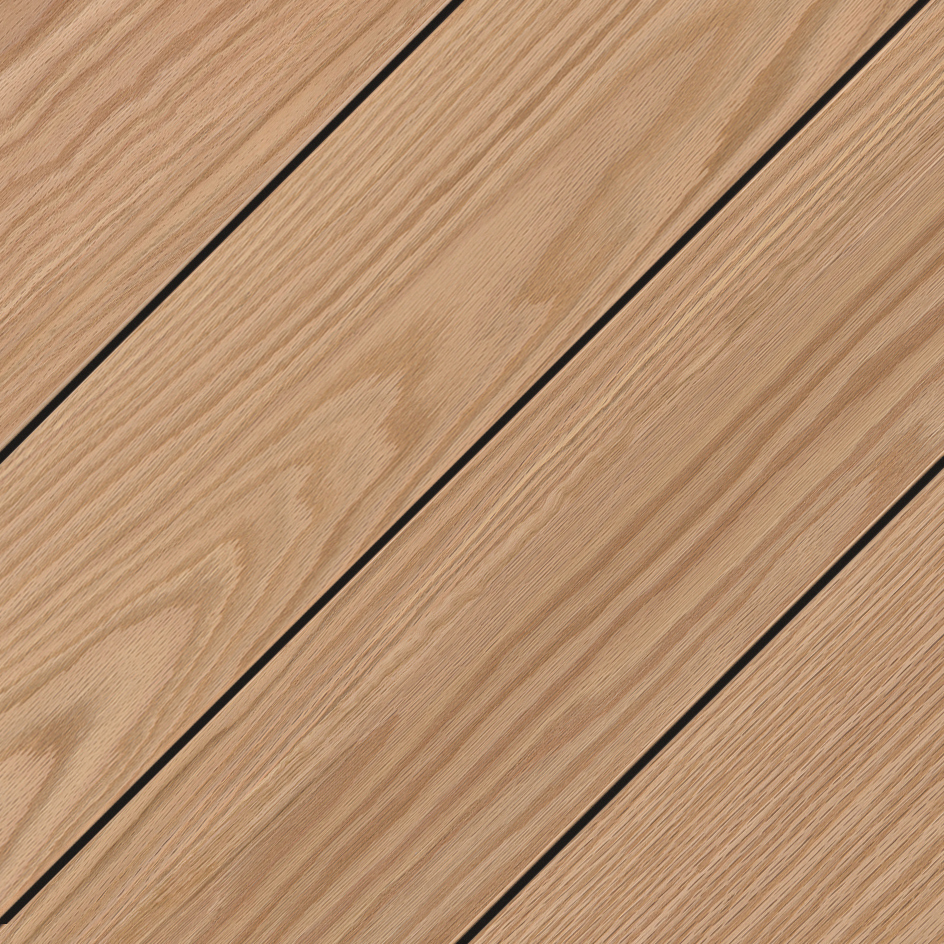 |
$$$-$$$$ | No | N/A | P4 | 30 years | Foamed PVC core with glass fibre reinforced core and protective surface | Yes | No |
TimberTech Vintage by James Hardie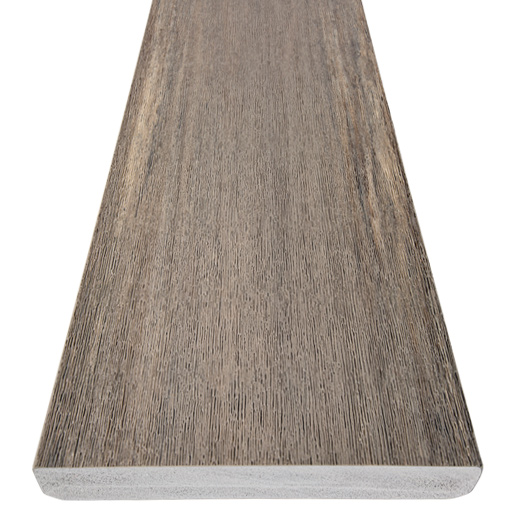 |
$$-$$$ | No – USA | BAL-29 | P5 | Up to 30 years | Wood-free Advanced PVC | NA** | Yes |
Millboard – Enhanced Grain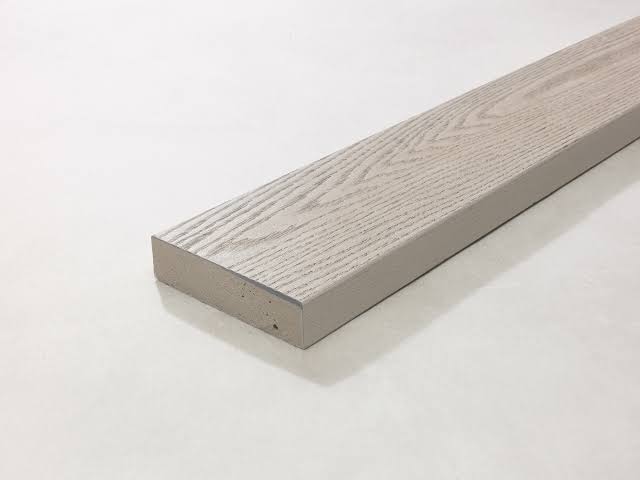 |
$$$$ | No – UK | BAL-19 | P5 | 25 years | Wood-free mineral-filled polyurethane composite with reinforced core | NA** | No |
Millboard – Weathered Oak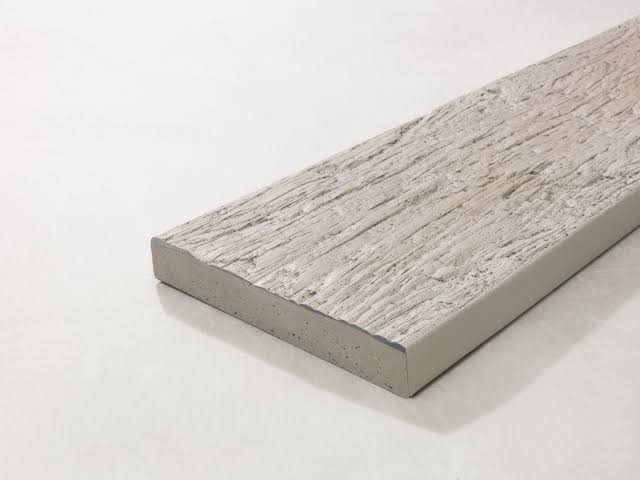 |
$$$$ | No – UK | BAL-19 | P5 | 25 years | Wood-free mineral-filled polyurethane composite with reinforced core | NA** | No |
Price guide: $ = Budget | $$ = Mid-range | $$$ = Premium | $$$$ = High-end premium. Prices are indicative categories only. Specifications, warranties, BAL ratings and slip ratings vary by product and should be confirmed against current manufacturer documentation.
What does the information in the comparison table mean?
Materials: What is composite decking made from?
Not all composite decking is made from the same materials.
Wood-plastic composite (WPC): Combines wood fibres with plastic polymers. Used by brands such as Trex, ModWood, NewTechWood and Everdeck.
PVC decking: Manufactured using plastic polymers without a wood-fibre core. TimberTech Vintage by James Hardie is an example.
Bamboo composite: Uses bamboo fibres combined with foamed PVC and other materials. Eva-Last Pioneer is an example.
Polyurethane composite: Uses a different material construction, combining polyurethane with mineral fillers and reinforcing materials. Millboard is an example.
Each material has different characteristics, so it’s worth considering where the deck will be installed and how it will be used.
Capped vs uncapped: What’s the difference?
Capped composite decking has an additional protective polymer layer designed to improve resistance to staining, moisture and fading.
Uncapped composite decking doesn’t have this separate protective layer and can offer a more affordable option.
For outdoor entertaining areas and high-use spaces, capped composite decking is often worth considering.
Some boards are only partially capped, while PVC and polyurethane decking use different surface technologies. That’s why the table identifies whether each product is capped, partially capped or not applicable.
Trex is capped on 3 sides, this allows the board to breath and allow moisture to escape which prevents mould forming on the face of the board.
Slip rating: What do P2, P3 and P5 mean?
Slip ratings indicate how a decking surface performs under specific testing conditions.
Under the Australian AS 4586 standard, wet pendulum slip classifications range from P0 to P5, with P5 representing a higher level of slip resistance in that test.
You may also see R ratings, such as R11, which come from a different oil-wet ramp test.
P and R ratings aren’t directly interchangeable.
For pool surrounds, stairs and exposed outdoor areas, check the slip resistance requirements for your project and the specific product’s tested classification.
Why are multiple slip ratings quoted for Everdeck, NewTechWood Coastal and Terrace?
These decking boards have multiple slip ratings quoted as they have returned different results for different scenarios.
Everdeck:
Everdeck wood composite decking holds a P4 slip resistance rating.
Test Details (AS 4586-2013 Wet Pendulum Test)
Slider 55 – Longitudinal (parallel to the grain / direction of embossing): P4
Slider 96 – Longitudinal (parallel to the direction of embossing): P3
Slider 96 – Transverse (perpendicular to the direction of embossing): P4
New Techwood:
Coastal:
Weathered / Primary Face (Residential): Has a P2 slip rating.
Reverse Face (Commercial / High-Safety): Has a high P5 slip rating, making it ideal for wet zones and pool surrounds.
Terrace:
The NewTechWood Terrace Decking Range features a dual-sided design with different slip ratings for each side:
Residential Side: P2 Slip Rating (also features R11 / Class C / PTV 34-46 on technical data sheets).
Commercial / Reverse Side: P5 Slip Rating (high-slip resistant textured finish).
BAL rating: Is the decking suitable for bushfire-prone areas?
BAL stands for Bushfire Attack Level. It identifies the level of bushfire exposure a building may face.
Some composite decking products have been tested or assessed for use in particular BAL conditions.

Which composite decking is the best choice?
Looking for more recommendations based on your requirements? Here are some recommendations to help you, or your client narrow down the selection. Want more tailored advice? Contact Dahlsens and our decking experts can help.
Best low-cost composite decking
If keeping costs down is your priority, consider Everdeck, NewTechWood Soho, Trex Select or ModWood Natural Grain.
Everdeck is manufactured in Tasmania using wood fibres and recycled plastic. It offers an affordable Australian-made decking option with a natural timber-look finish.
NewTechWood Soho offers exceptional value for money, combining fully capped composite decking with advanced protective surface technology
Trex is manufactured in the USA and is made of 95% recycled materials. It comes with a 35 year warranty and includes Sun Comfort technology so it is cooler underfoot.
ModWood Natural Grain is manufactured in Melbourne and provides a traditional composite timber appearance at an accessible price point.
These products are worth comparing if you’re looking for lower-cost composite decking without the regular oiling and staining required by traditional timber.
Best composite decking for full sun
Does composite decking get hot? Yes. All decking materials can become hot in direct sunlight, particularly during Australian summers.
However, some products are designed to reduce heat absorption.
Trex Transcend Lineage and Select incorporate SunComfortable technology, designed to reduce heat build-up compared with earlier Trex products of similar colours.
TimberTech by James Hardie Vintage also offers heat-management technology worth investigating.
The Millboard ranges have a lightweight core keeping the boards cooler in the sun.
Colour makes a difference too. Lighter decking boards generally absorb less solar heat than darker colours.
For decks exposed to full sun, we recommend comparing lighter colours, reviewing manufacturer heat-performance information and testing samples outdoors.
No composite decking is guaranteed to stay cool enough for bare feet during extremely hot weather.
Best long-lasting composite decking
If durability is your main priority, look for decking with strong moisture resistance, protective surface technology and comprehensive warranties.
Trex Transcend and Transcend Lineage offer 50-year limited residential warranties.
NewTechWood – All decking profiles feature a fully capped, co-extruded protective coating that extends into the grooves. This 360-degree protection is a key reason NewTechWood has consistently performed in Australian conditions for well over a decade, establishing it as one of the most durable and reliable composite decking products on the market.
TimberTech Vintage by James Hardie offers Advanced PVC decking, with a long warranty.
Eva-Last Pioneer uses a reinforced composite construction with a protective surface and a 30-year limited residential warranty.
Millboard uses a wood-free polyurethane-based construction and offers a 25-year limited residential warranty.
The right choice depends on the environment, installation requirements and the specific warranty conditions.
Best timber-look composite decking
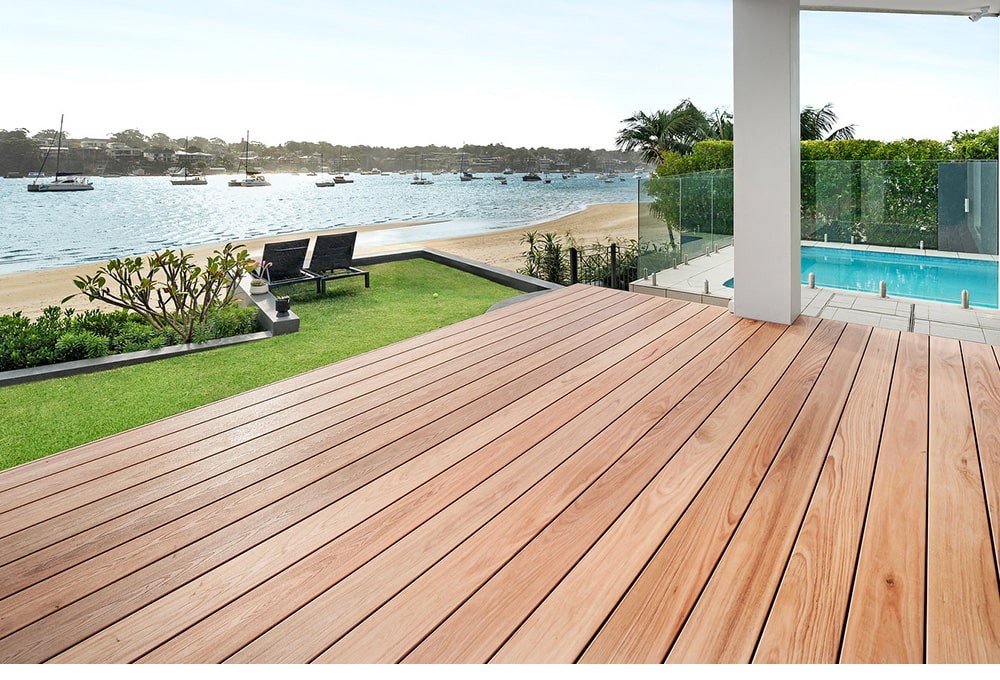
Want the appearance of natural hardwood without the ongoing maintenance?
Some premium composite decking ranges are designed to closely replicate the colour, grain and texture of real timber.
Eva-Last Pioneer offers photorealistic hardwood finishes which are scans of real Australian timbers such as Blackbutt and Spotted Gum.
Millboard Enhanced Grain and Weathered Oak use detailed moulded surfaces to recreate natural timber textures.
TimberTech Vintage offers premium hardwood-inspired finishes, including brushed and rustic appearances.
Trex Transcend Lineage features subtle timber-grain detail and refined, low-gloss finishes.
For the most realistic result, compare physical samples in natural light. Colour variation, grain patterns and texture can look very different in person.
Best Australian-made composite decking
If buying Australian-made products is important to you, ModWood and Everdeck are worth considering.
Everdeck is manufactured in Tasmania and provides an accessible timber-look composite decking option.
ModWood is manufactured in Melbourne and offers a range of composite decking products, including Natural Grain, Xtreme Guard, Flame Shield and Marina.
Both are alternatives for customers who prefer locally manufactured decking.
How much does composite decking cost in Australia?
Composite decking prices vary depending on the brand, material, finish and board profile.
Entry-level wood-plastic composite decking generally costs less than premium PVC or polyurethane-based products.
However, the decking boards are only one part of the total project cost. Get a quote from Dahlsens to get a better idea.
How much does a composite deck cost per square metre?
When comparing composite decking prices, consider the cost of the complete deck, including:
- Decking boards and finishing trims
- Structural posts, bearers and joists
- Screws or concealed fixing systems
- Footings and structural supports
- Labour and installation
- Stairs, balustrading and other finishing features
A simple ground-level deck will generally cost less than an elevated deck requiring additional structural work.
For an accurate comparison, request a quote based on the total deck area rather than individual board prices.
Dahlsens can help you compare composite decking material prices and quote the products required for the complete project.
Timber vs Composite Decking
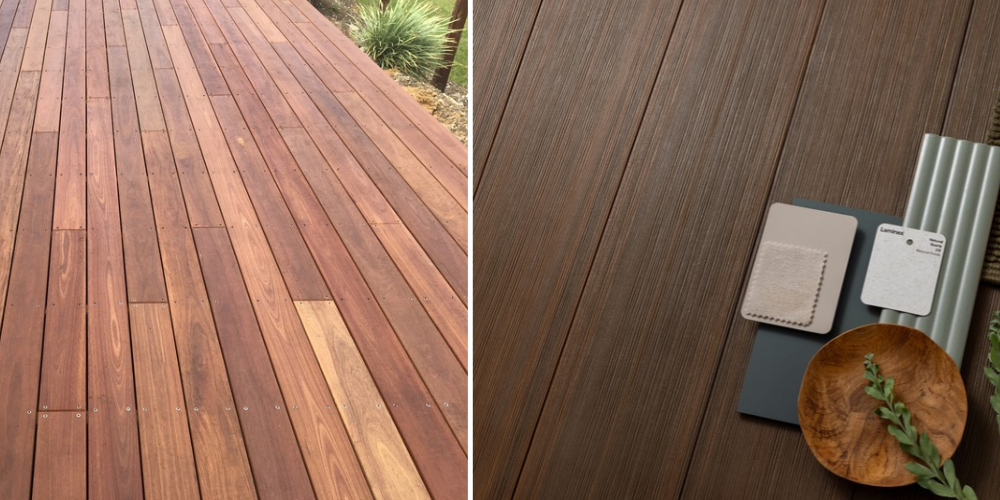
Is composite decking worth it?
Composite decking can cost more upfront than some traditional timber decking options, but its main advantage is lower ongoing maintenance.
Unlike natural hardwood, most composite decking doesn’t require regular sanding, staining or oiling.
Advantages of composite decking
- Low maintenance compared with traditional timber
- Doesn’t require sanding, oiling or staining
- Wide range of colours and timber-look finishes
- Options incorporating recycled materials
- Products with long residential warranties
- Resistance to moisture, rot and termites varies by product
- Consistent manufactured board profiles and finishes
Disadvantages of composite decking
- Can cost more upfront than some timber options
- Can become hot in direct sunlight
- Most products cannot be sanded and refinished like natural timber
- Installation requirements vary between brands
- Not real timber
For customers wanting a low-maintenance outdoor area, composite decking can offer good long-term value.
Is timber or composite decking better?
Natural hardwood offers an authentic timber appearance and can generally be sanded and refinished over time. However, it typically requires more ongoing maintenance.
Composite decking provides a low-maintenance alternative, with finishes ranging from traditional timber-look boards to highly realistic hardwood reproductions.
If you prefer natural timber, Dahlsens also supplies hardwood decking options including Merbau, Spotted Gum, Blackbutt and Ironbark.
Can composite decking be installed over concrete?
Yes, composite decking can be installed over an existing concrete slab, provided the slab is structurally sound and a suitable supporting system is used such as ClickDeck.
Most composite decking boards shouldn’t be fixed directly to concrete. They generally require joists or an approved low-profile support system to allow for drainage, ventilation and correct fixing.
Before installation, check the available height, drainage requirements, joist spacing and manufacturer’s installation instructions.
Compare composite decking brands with Dahlsens
Choosing the best composite decking is about finding the right balance of price, appearance, durability and performance.
At Dahlsens, we supply a wide range of leading composite decking brands, including:
- Trex
- ModWood
- NewTechWood
- TimberTech by James Hardie
- Millboard
- Everdeck
- Eva-Last Pioneer
Our team can help you compare products, understand the differences and choose decking suited to your project.
We can also supply the materials needed to complete the job, including structural timber, posts, bearers, joists, fasteners, concealed fixing systems and balustrading.
Whether you’re building a backyard deck, an outdoor entertaining area or a larger residential project, we can help you find the right materials at a competitive price.
Get a competitive decking trade quote
Build easier with Dahlsens.
The complete decking range from Dahlsens
Composite decking
Low-maintenance options from leading brands, with colours, textures and price points to suit different projects.
Hardwood timber decking
Choose from beautiful natural timber options including Merbau, Spotted Gum, Blackbutt, Ironbark and more.
Posts & supports
Build from the ground up with structural timber, posts, bearers, joists and supporting systems.
Fasteners
Decking screws, concealed fixing systems, brackets and structural connectors to help get the installation right.
Balustrading
Complete the deck with balustrading and finishing solutions for a polished result.

Builders: price your next decking project with Dahlsens
Need advice?
Talk to your Dahlsens account manager or local store about the decking range available in your area.
Build easier with Dahlsens.