

AAC Panels & Systems
YOUR TRUSTED AAC SUPPLY PARTNER
Partner with the AAC Specialists
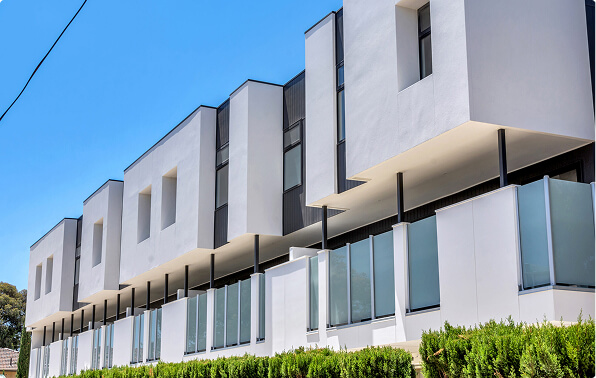
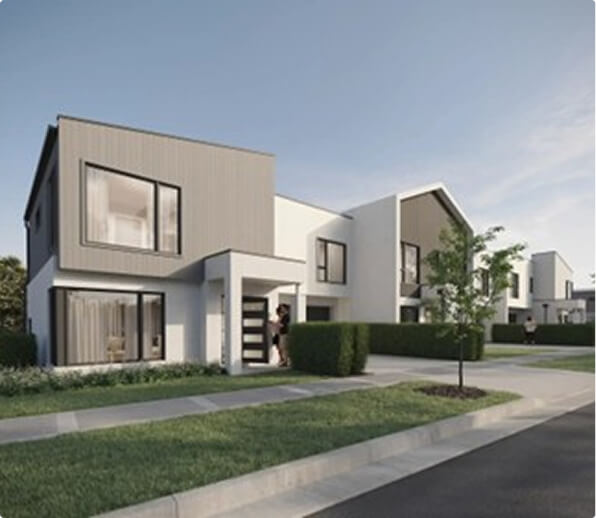
AAC (Autoclaved Aerated Concrete) is rapidly changing the way Australians build. Combining the strength and durability of concrete with a lightweight, easy-to-install panel system, AAC panels help builders construct energy-efficient homes faster while achieving modern architectural finishes.
Whether you’re building a custom home, townhouse development or commercial project, Dahlsens offers leading AAC concrete panel systems from James Hardie™ Gravis™, Helix AAC, Hebel AAC, backed by specialist advice, dedicated stockholding and reliable delivery.


Autoclave Aerated Concrete (AAC) CLADDING
What is AAC?
Autoclave Aerated Concrete (AAC) cladding is a lightweight, non-combustible concrete panel system made from cement, lime, sand, water and a small amount of aluminium powder. As it cures in an autoclave (a high-pressure steam oven), the aluminium reacts and creates millions of tiny air pockets right through the panel.
Those air pockets make the panel roughly 20% the weight of standard concrete, and they are what gives AAC its thermal and acoustic performance.
It is fixed to a timber or steel frame and finished with render to create a solid external wall. It is a modern alternative to brick veneer.
FEATURES & BENEFITS
Why builders are switching to AAC

Faster builds
Save weeks versus rendered brick

Competitive cost
Competitive with traditional construction methods

Render ready
Smooth surface for leading render and coating systems

Non-combustible
Fire resistant and BAL compliant.

Thermal efficient
Excellent insulation for energy efficient builds

Acoustic control
Reduces noise between rooms and levels
AAC Systems
AAC Brands available at Dahlsens
Dahlsens offers leading AAC systems, providing builders, installers and specifiers with a solution for virtually every project, including Helix AAC, James Hardie Gravis and Hebel.
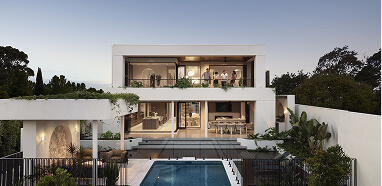
Helix AAC
The Helix AAC external wall system is a strong, lightweight solution designed for residential, multi-residential and commercial projects. Available in 50mm and 75mm thick wall panels, Helix is fully compliant with the National Construction Code for external wall applications, Helix AAC is trusted by some of Australia’s largest builders, including Metricon.
Why choose Helix AAC?
- High-quality AAC panels
- Competitive trade pricing
- CodeMark certified systems
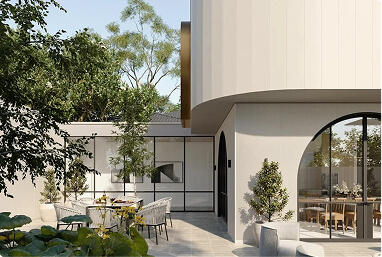
James Hardie™ Gravis™
Hardie™ Gravis™ combines the benefits of AAC construction with the confidence of one of Australia’s most recognised building brands. Designed for external walls, intertenancy walls and flooring applications, Gravis delivers a smooth render-ready solution that integrates seamlessly with James Hardie cladding systems.
Why choose Hardie™ Gravis™?
- Trusted James Hardie brand
- Compatible with James Hardie fibre cement cladding
- CodeMark certified systems

Hebel
Hebel is one of Australia’s most recognised AAC brands, offering lightweight panel systems for external walls, intertenancy and party walls, flooring and fire-rated applications. Backed by proven performance in residential, multi-residential and commercial construction, Hebel gives builders another dependable AAC option available through Dahlsens.
Why choose Hebel?
- Well-known AAC brand
- Australian made
- Suitable for external walls, party walls, flooring and facades
Why partner with Dahlsens For AAC?

Fully stocked
AAC Warehouses
Competitive
trade prices

Trusted
national supplier

Expertise in AAC
and cladding

Deliveries that
go the extra mile
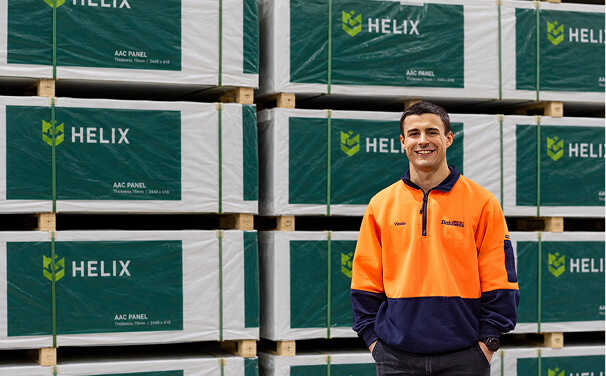
Australia’s AAC & Cladding Specialists
We’re not just supplying panels. We’re helping builders, installers and developers deliver projects faster with the support, stock and expertise needed to succeed.
Dedicated AAC stock and supply
With dedicated AAC distribution capability, extensive stockholding and a network of more than 40 locations across Victoria, NSW and the ACT, Dahlsens is built to keep projects moving.
Competitive trade pricing
Dahlsens offers competitive trade pricing across AAC panels, top hats, fixings, adhesives and accessories, helping builders and installers keep project costs sharp without compromising on product quality or support.
Delivery that goes the extra mile
Dahlsens supplies complete AAC systems, including all panels, accessories and adhesives, delivered direct to site. Materials are placed where installers need them, reducing labour and improving site efficiency. For multi-residential projects, each unit can be packed and delivered as its own house lot.
Complete AAC system
Partner with Dahlsens for complete AAC systems including external cladding, boundary walls, intertenancy and party walls and fire-rated systems. We can supply all the components for CodeMark AAC systems from Helix, James Hardie Gravis and Hebel and provide technical support and guidance.
Technical expertise
Our AAC specialists can support you with product selection, fast quotes, project take-offs, competitive trade pricing, technical information, system recommendations, and installer referrals.

Applications
Where can AAC panels be used?
AAC is a versatile construction solution suited to a wide range of residential and commercial applications.

External Walls
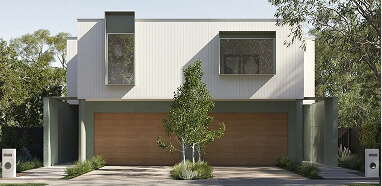
Boundary Walls
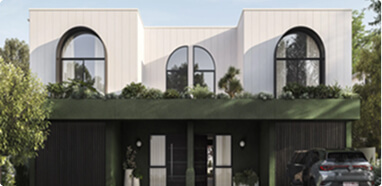
Intertenancy & Party Walls
Flooring Systems

Medium-Density Housing
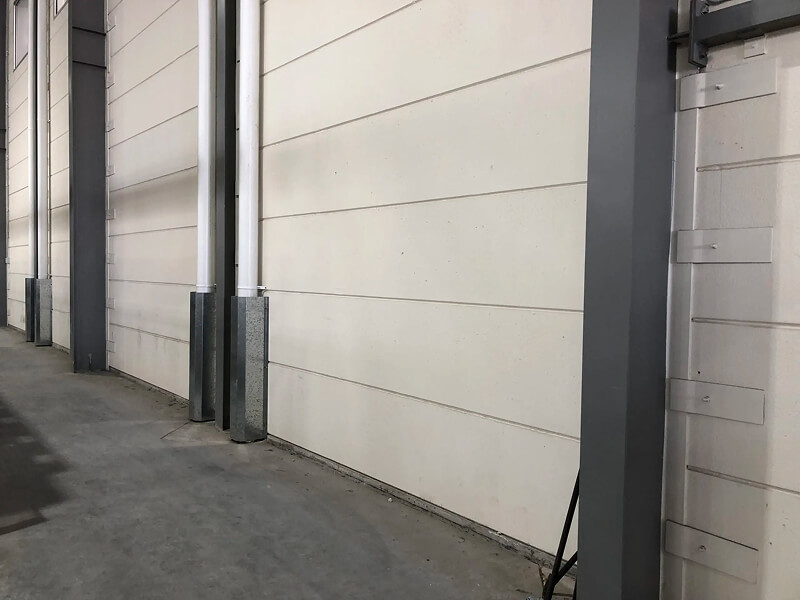
Commercial Construction
Installation
How to install AAC panels
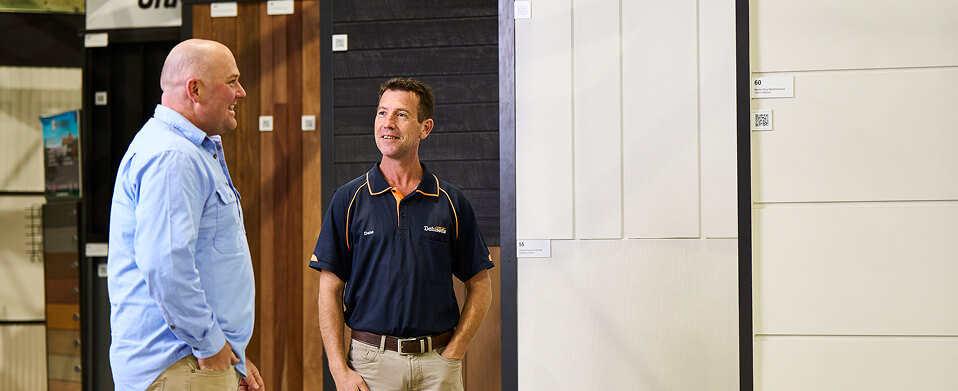
AAC panels are lightweight and fast to install when used as a complete system. Panels are typically fixed to timber or steel framing. For best results, follow the installation guide for your chosen AAC panel system, including Helix, James Hardie Gravis or Hebel. Watch our short video on installing AAC panels below.
Ready to build with AAC?
Whether you’re comparing AAC systems, pricing a project or looking for technical advice, Dahlsens can help.
Request a quote, speak with an AAC specialist or contact your local Dahlsens branch today.
Technical Support
AAC technical support and training
More than product supply
Partnering with Dahlsens means access to a team that understands AAC construction. From product selection through to installation, our AAC specialists work alongside builders, estimators, installers and project teams to help ensure successful outcomes on every project.

Technical support
Our team can assist with:
- System selection and product recommendations
- Specification guidance
- Wall, floor and façade application advice
- NCC compliance considerations
- Technical documentation and certifications
- Finish and coating recommendations
- Project-specific support and troubleshooting
- Installer referrals
Project pricing and take-off support
Whether you’re pricing a custom home, townhouse development or commercial project, our team can help simplify the quoting process with:
- Project take-offs
- Material estimates
- Product substitutions
- Value engineering opportunities
- Supply planning and delivery scheduling
AAC Training
We can arrange AAC product and installation training for:
- Builders
- Site supervisors
- Estimators
- Sales teams
- Installers
- Trade customers
Training can cover:
- AAC system fundamentals
- Product applications
- Best-practice installation techniques
- Finishes and coatings
- Common design considerations
- Compliance requirements
- Product comparisons and system selection
On-site and in-branch support
For larger projects, Dahlsens can coordinate practical support to help teams build confidence with AAC systems and understand installation requirements before construction begins.
Where to Buy
Where can I get AAC Panels?
Looking for AAC panels supplier for your next project? Dahlsens supplies AAC panels and system components to builders and trades, backed by specialist product support. Whether you’re building a single home, townhouse development or multi-residential project, our team can help with product selection, quantities, take-offs, technical information and delivery.
AAC Panels Melbourne
Dahlsens supplies AAC Panels to builders across Melbourne and surrounding areas, with access to AAC product support and delivery for residential and multi-residential projects.
AAC Panels Sydney
Builders looking for AAC Panels in Sydney can contact Dahlsens for product availability, trade pricing, take-offs and delivery support across Sydney and surrounding areas.
AAC Panels Canberra
Dahlsens supplies AAC Panels to builders in Canberra and surrounding areas, with specialist support for wall, intertenancy and flooring applications.
AAC Panels and Systems FAQ
AAC panels are strong, lightweight and easy to handle, making them a practical choice for builders looking to improve efficiency on site. They offer excellent thermal performance, strong acoustic insulation, fire resistance, termite resistance and a smooth render-ready finish. Because AAC is lighter than traditional concrete and masonry, it can also help reduce structural loads and speed up installation. The large panels make it much faster to install than brick, saving weeks onsite when compared to rendered brick.
AAC panels are commonly used for external walls, cladding, facades, intertenancy and party walls, boundary walls, flooring systems, fire-rated walls, acoustic barriers and medium-density residential construction. Depending on the system and specification, AAC can be used across detached homes, townhouses, apartments and commercial projects.
AAC stands for Autoclaved Aerated Concrete. It is a lightweight concrete-based building material manufactured with tiny air pockets throughout the material, then cured under high-pressure steam in an autoclave to create strong, stable panels or blocks.
AAC is the material category, while Hebel is a brand of AAC products. In the same way that plasterboard can be sold under different brands, AAC panels and blocks are available from different manufacturers. Hebel is one of Australia’s most recognised AAC brands, but it is not the only AAC system available. Helix AAC and James Hardie Gravis are quality alternatives to Hebel.
AAC may be more cost-effective than traditional concrete in some applications, particularly when installation speed, reduced weight, easier handling and potential structural savings are considered. The final cost depends on the wall system, panel thickness, project design, labour, finishes and site requirements, so it is best to compare installed system costs rather than material cost alone.
AAC blocks are smaller masonry units that are typically laid like bricks or concrete blocks using mortar. AAC panels are larger, steel-reinforced panels designed to cover more area faster and are commonly used for external walls, cladding, facades, intertenancy walls, floors and fire-rated systems. Panels are often preferred where speed, consistency and engineered system performance are important.
AAC panel cost varies depending on the brand, panel thickness, wall system, project size, fixings, coatings, labour and delivery requirements. For an accurate price, builders should request a project quote based on plans or measurements so the correct AAC panel system, quantities and accessories can be allowed for. Dahlsens provides competitive trade pricing on AAC panels.
AAC can be competitive with brick, especially when looking at the total installed wall system rather than the material price alone. AAC panels can cover large areas quickly, may reduce labour time and can help speed up the build compared with traditional brickwork. Actual savings depend on project design, labour availability, finish selection and site conditions.
AAC panels are often faster to install than brickwork because each panel covers a larger area and is designed as part of an engineered wall system. This can reduce time on site and help builders reach lock-up sooner. Installation cost will depend on the system, installer, project scale, access, fixings and finish, so it is best to compare complete installed costs for your specific project.